
The thrill of uncertainty
The allure of casinos often lies in the thrill of uncertainty, which taps into our psychological fascination with risk. People are inherently drawn to scenarios where outcomes are unpredictable, as it can evoke a sense of excitement and adrenaline. This excitement occurs as the brain releases dopamine, a neurotransmitter associated with pleasure and reward. For those interested in exploring their options, uk casino sister sites can provide a variety of experiences, as every roll of a die, flip of a card, or spin of a wheel carries the possibility of substantial rewards, amplifying the emotional experience of gambling.
Moreover, this thrill is not just limited to the potential for winning money. The entire atmosphere of a casino—flashing lights, lively sounds, and the buzz of excitement—creates an immersive environment that heightens your senses. When players engage in gambling activities, they enter a state of heightened arousal, making the experience even more captivating. This psychological state can lead individuals to chase that initial high, returning time and again to seek the thrill that comes with the uncertainty of risk.
Additionally, the concept of risk in casinos extends beyond just financial stakes. It can also reflect personal risks, such as the social implications of winning, losing, or how one perceives their gambling habits. Many gamblers thrive on the social dynamics involved; sharing wins and losses enhances the communal experience of risk-taking. The psychological interplay of fear, hope, and reward intertwines, drawing in not just individual players, but also groups seeking to bond over the shared experience of gambling, reinforcing the love for casinos.
The role of cognitive biases
Cognitive biases play a significant role in how individuals perceive risk and reward within the casino environment. One common bias is the optimism bias, where individuals might believe they have a better chance of winning than the odds actually suggest. Gamblers often exhibit this bias, leading them to continue playing despite unfavorable odds. This skewed perception can be attributed to the way outcomes are presented and framed within the casino, contributing to the belief that luck is on their side.
Another cognitive bias that influences gambling behavior is the availability heuristic, where people assess the probability of an event based on how easily they can recall instances of that event. For example, if someone remembers a friend winning a large sum at a slot machine, they may overestimate the likelihood of experiencing similar wins. This can result in repeated visits to casinos, as players chase the high of potentially replicating these victories, often ignoring the statistical realities of the games.
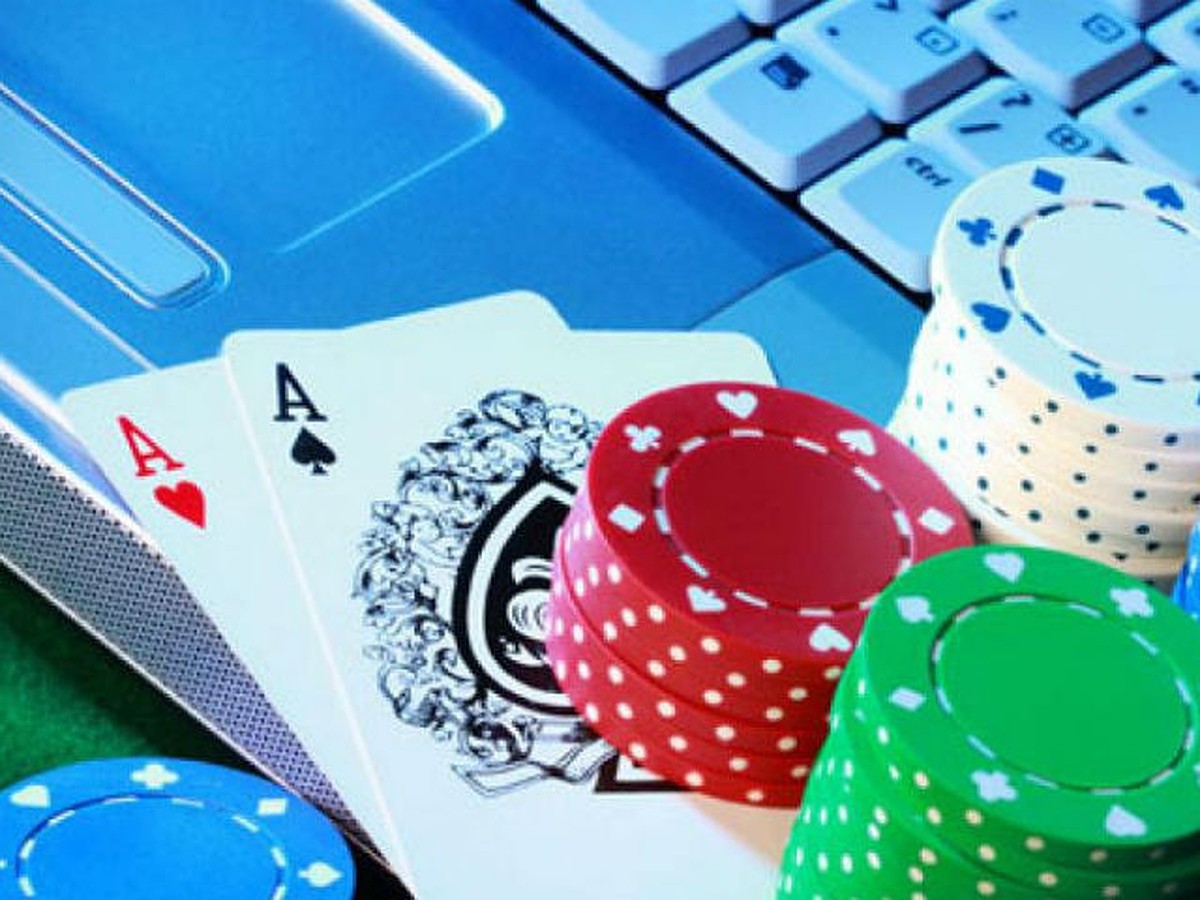
Additionally, the sunk cost fallacy can also lead gamblers to remain engaged longer than they should. When individuals invest time and money into a gaming session, they may feel compelled to continue playing in hopes of recouping their losses. This creates a cycle of risk-taking behavior that can be difficult to escape, reinforcing the casino’s hold over the individuals. Understanding these cognitive biases reveals how our minds can lead us to love and engage with the world of gambling, despite the inherent risks involved.
The social aspect of gambling
The social aspect of casinos significantly contributes to their appeal, as they serve not just as venues for gambling but as social hubs where individuals can connect and share experiences. Many people visit casinos with friends or family, transforming the act of gambling into a social outing rather than a solitary activity. This communal experience fosters a sense of inclusion and belonging, which enhances the enjoyment of risk-taking. The laughter, cheers, and shared excitement create an environment that is hard to resist.
Furthermore, casinos often host events, tournaments, and promotions designed to encourage social interaction among guests. These gatherings not only offer a competitive edge but also provide opportunities for individuals to meet new people and create lasting memories. The chance to celebrate both successes and failures with others boosts the psychological enjoyment of taking risks, allowing players to bond over their shared experiences. This social dimension makes the casino atmosphere vibrant and inviting.
The allure of social interaction may also play a role in why individuals are willing to engage in risky behavior. The excitement of taking chances can be amplified when done in a group setting, where the collective energy encourages bolder decision-making. This dynamic can sometimes lead to a more profound connection to the gambling experience, further embedding the love for casinos into the fabric of social life for many individuals. The combination of risk and camaraderie is a powerful driver of attraction to these venues.
The impact of design and environment
The design and layout of casinos are meticulously crafted to enhance the psychological experience of risk-taking. From the moment individuals step inside a casino, they are enveloped in an environment designed to engage the senses and stimulate excitement. Colors, sounds, and even scents are strategically selected to create a particular ambiance. For instance, bright lights and vibrant colors are known to stimulate energy and enthusiasm, drawing players in and encouraging them to partake in the gambling experience.

Casinos often feature open layouts that allow for easy navigation, while specific game zones are designed to entice players with the promise of thrilling experiences. The positioning of slot machines, card tables, and other gaming options creates a flow that encourages players to explore different areas, thus prolonging their stay. Additionally, the use of soft music and background noise creates a comforting yet stimulating environment, allowing individuals to lose themselves in the thrill of the moment. This environment can evoke a sense of timelessness, making it easy to forget that they are at risk of losing money.
Moreover, the strategic placement of cashiers and exit points encourages players to continue gambling by keeping them within the gaming areas. By minimizing distractions and maintaining a focus on gaming, casinos can intensify the experience of risk-taking. This carefully curated environment not only enhances the psychological appeal of gambling but also fosters a lasting affection for these establishments, as individuals associate their experiences with positive emotions and excitement generated from the casino’s design.
The love for casinos and their enduring appeal
The enduring appeal of casinos can be attributed to their multifaceted nature, offering a unique blend of excitement, social interaction, and sensory stimulation. Each visit presents an opportunity for players to step outside of their daily routines and engage in an exhilarating experience filled with uncertainty and potential rewards. The psychological thrill of risking something for the chance to gain something greater creates a powerful draw that captivates many individuals.
Furthermore, the narrative surrounding casinos—stories of big wins, suspenseful moments, and unforgettable experiences—contributes to their allure. This storytelling aspect creates a mystique around gambling that entices people to partake in the experience themselves. Such narratives often fuel the imagination, leading to a sense of FOMO (fear of missing out) when it comes to the thrilling opportunities that casinos offer, amplifying the desire to visit these venues.
Ultimately, the psychology of risk, the influence of cognitive biases, and the immersive design of casinos combine to create an environment that many individuals find irresistible. The love for casinos reflects deeper human emotions and needs, illustrating our affinity for seeking thrills and the social connections that accompany such experiences. As long as these elements continue to resonate with people, the allure of casinos will remain a prominent feature in contemporary culture, drawing countless visitors eager to embrace the risks and rewards they offer.